
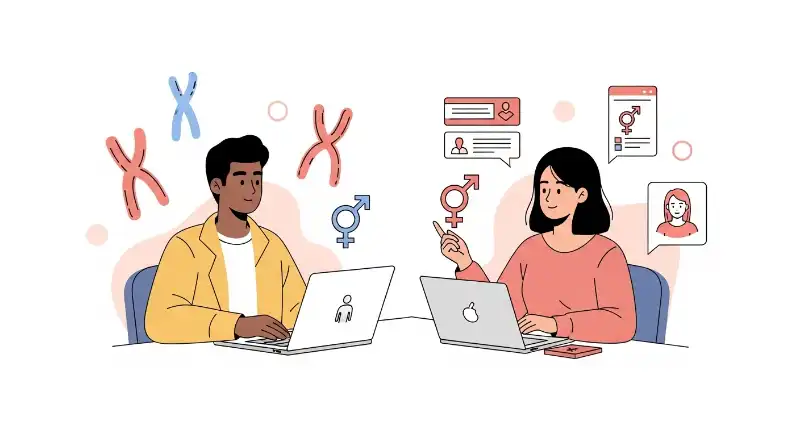

Sex meaning is a topic that comes up in classrooms, conversations, and online searches constantly. At its core, sex refers to the biological differences between males and females, as well as the physical acts that can connect humans intimately. It’s simple to say, but understanding it fully touches biology, relationships, and even emotions.
Sex isn’t just about physical activity—it’s also about how humans connect, express affection, and pass on genetic material. By exploring the topic clearly, we can separate myths from facts and make sure the conversation is informed, healthy, and respectful.
Find Your Age - In Years, Months, Days, Hours, Minutes, and Seconds!
Best Quick Sex meaning Box 2026
 Please share this article with your friends ❤️


Sex meaning is about biology, relationships, and emotional connection. It includes:
- Biological sex: Male, female, and intersex characteristics
- Purpose: Reproduction, intimacy, bonding, and pleasure
- Difference from gender: Sex is biological; gender is social and personal identity
- Consent & responsibility: Clear agreement and mutual respect are essential
- Education matters: Accurate knowledge reduces myths, supports health, and empowers choices
In 2026, understanding sex responsibly is about curiosity, respect, and lifelong learning — not shame or confusion.
What does sex mean in simple words?
In plain terms, sex is the biological distinction between male and female humans, and it can also refer to intimate acts between people. It’s both a scientific and social concept, depending on the context.
Example:
In school, students learn that “sex” can describe male and female characteristics, while adults may use the word to describe physical intimacy in relationships.
Is sex only about physical activity?
No. Sex also has a biological and social dimension. Biologically, it involves reproductive systems and chromosomes. Socially, it can include intimacy, emotional connection, and even self-expression.
Example:
Just like eating is necessary for nutrition but also a social and enjoyable activity, sex can serve practical reproductive purposes and emotional or relational purposes as well.
Best Sex Meaning in Biology—Here’s What Science Actually Says 2026
Please share this article with your friends ❤️
Biology offers a precise lens for understanding sex. It’s about how organisms reproduce and pass on their genetic material, and how physical differences are determined in humans.
What is sex in biology?
In biology, sex is the process of combining genetic material from two individuals to create offspring. This process increases genetic diversity, which is essential for the survival of species.
Example:
Humans inherit DNA from both parents. Each child is unique because of this combination, which is why siblings can look so different from each other.
How does biological sex work in humans?
Human biological sex is usually determined at conception by chromosomes: XY for males and XX for females. Hormones and reproductive anatomy further develop these biological traits.
Example:
A baby with XY chromosomes will typically develop male reproductive organs like testes, while an XX baby will typically develop female organs like ovaries.
Best Why Sex Exists in Humans Beyond What Most People Assume 2026
Please share this article with your friends ❤️
Sex is not just about reproduction; it also plays a vital role in relationships, emotional bonding, and human society.
What is the purpose of sex in humans?
Sex allows humans to reproduce, ensuring the continuation of the species. Beyond that, it facilitates bonding, emotional intimacy, and communication between partners.
Example:
A couple may engage in sexual activity to strengthen their emotional connection, even if they do not intend to have children.
Why is sex important for reproduction?
Reproduction relies on sex to combine genetic material and create offspring. This genetic diversity is crucial for survival and adaptation.
Example:
When parents have a child, the child inherits traits like eye color or hair type from both parents, ensuring unique characteristics for each individual.
Best Sex vs Gender—Why So Many People Are Confused Right Now 2026
Please share this article with your friends ❤️
Many people confuse sex and gender, but they refer to different aspects of identity and biology.
What is the difference between sex and gender?
- Sex: Biological characteristics like chromosomes, hormones, and anatomy.
- Gender: Social and personal identity, roles, and expression.
Example:
Someone might have female biological sex (XX chromosomes) but identify as male or non-binary — that’s a distinction between sex and gender.
Is sex the same as gender identity?
No. Biological sex is assigned at birth based on physical characteristics, while gender identity is how a person experiences and expresses themselves, which may or may not align with their biological sex.
Example:
A person born male (XY) might identify as female. Respecting gender identity is separate from understanding biological sex.
Best The Different Types of Biological Sex Explained Simply 2026
Please share this article with your friends ❤️
Sex in humans isn’t strictly binary; biological diversity includes male, female, and intersex variations.
What are the main biological sexes?
- Male: XY chromosomes, testes, sperm production, higher testosterone.
- Female: XX chromosomes, ovaries, egg production, higher estrogen and progesterone.
Example:
These differences influence reproductive anatomy, secondary sexual characteristics like voice pitch and body hair, and hormone levels.
What does intersex mean in biology?
Intersex refers to natural variations where a person’s chromosomes, hormones, or anatomy do not fit typical male or female categories. It is a normal biological variation, not a disorder.
Example:
Some intersex individuals may have both ovarian and testicular tissue, or chromosomes that differ from XX or XY patterns.
Best Why Sex Education Matters More Than Ever Today 2026
Please share this article with your friends ❤️
Understanding sex is about more than biology—it’s about health, safety, and informed choices.
Why is sex education important?
Sex education equips people with knowledge about reproductive health, safe sexual practices, and emotional readiness. It also helps prevent misinformation, STIs, and unintended pregnancies.
Example:
A teenager who receives proper sex education is more likely to use contraception correctly and make safer choices.
How does sex education support sexual health?
Comprehensive sex education supports physical and emotional well-being by teaching consent, communication, and respect for boundaries. It also fosters lifelong understanding of sexuality.
Example:
Interactive online platforms in 2026 allow teens to learn about consent scenarios, healthy relationships, and sexual health safely and engagingly.
If you want, I can continue and write the next half of the article, covering:
- Common myths about sex
- Sex, responsibility, and consent
- Cultural and societal influences
- Healthy understanding and respectful approaches
- Full human-like conclusion
Do you want me to continue with that next?
next half of the article
Perfect! Here’s the second half of your article, written in the same human-like, AGI style—conversational, clear, and engaging for 2026 readers.
Best Common Myths About Sex That Create Confusion 2026
Please share this article with your friends ❤️
Sex is often misunderstood, partly because of cultural taboos, pop culture exaggerations, and misinformation online. Busting myths is essential to understand sex clearly.
What are common misunderstandings about sex?
Some widely believed myths include:
- “You can’t get pregnant the first time” – biologically incorrect; ovulation timing matters, not experience.
- “Sex is only for reproduction” – ignores emotional, relational, and pleasure aspects.
- “Talking about sex is shameful” – societal stigma, not fact.
- “All men think about sex constantly” – sexual desire varies across people and genders.
Example:
Teens may avoid asking questions because they think they “should know already” or fear judgment, which leaves them vulnerable to misinformation.
Is sex always emotional or always biological?
Sex is rarely just one thing. It’s a mix of biological processes (reproduction, hormones) and emotional or social experiences (love, intimacy, trust).
Example:
A couple may have sex to deepen connection rather than to conceive, showing the emotional layer beyond biology.
Best Sex, Responsibility, and Consent—What Everyone Should Know 2026
Please share this article with your friends ❤️
Understanding sex responsibly means recognizing the ethical and emotional dimensions of intimacy.
What does consent mean in the context of sex?
Consent is a clear, enthusiastic agreement to engage in sexual activity. Key principles include:
- Freely given – no pressure or manipulation
- Informed – knowing what’s happening
- Reversible – anyone can stop at any time
- Specific – saying yes to one thing doesn’t imply yes to everything
Example:
If someone says, “I’m not ready tonight,” respecting that boundary is essential for safe and respectful interaction.
Why is responsibility important when understanding sex?
Sex has real consequences: emotional, physical, and social. Responsibility means considering safety, boundaries, and mutual respect.
Example:
Partners discussing contraception and comfort levels before intimacy are practicing responsibility and protecting each other’s well-being.
Best How Society and Culture Shape the Meaning of Sex 2026
Please share this article with your friends ❤️
Sexual attitudes are influenced by culture, media, laws, and historical context. Understanding this helps people separate facts from social norms.
How is sex viewed in different cultures?
Cultural norms vary:
- Some societies are open and sex-positive, emphasizing education and pleasure.
- Others treat sex as private, taboo, or purely reproductive.
- Legal frameworks affect age of consent, reproductive rights, and LGBTQ+ recognition.
Example:
Scandinavian countries often provide early, comprehensive sex education, contributing to lower teen pregnancy rates compared to more restrictive cultures.
Why does society talk about sex differently over time?
Attitudes toward sex evolve with generational shifts, social movements, and technology. Social media in 2026 allows discussion and humor about topics once taboo, while also sometimes spreading myths.
Example:
Memes about dating and sexual experiences normalize conversation but can blur lines between education and entertainment.
Best Understanding Sex in a Healthy and Respectful Way 2026
Please share this article with your friends ❤️
Healthy understanding of sex combines knowledge, self-awareness, and respect for others.
How can someone develop a healthy understanding of sex?
- Seek accurate and updated information from reliable sources
- Discuss questions with trusted mentors, counselors, or educators
- Respect personal boundaries and comfort levels
- Practice safe and consensual sexual activity
Example:
A person curious about sexual orientation can read verified resources and discuss feelings with a counselor, gaining clarity without shame or judgment.
Why is it important to understand sex correctly?
Correct understanding reduces myths, promotes safe behavior, strengthens relationships, and supports mental and emotional health. Knowledge empowers individuals to navigate intimacy confidently.
Example:
Adults may revisit their understanding of sex after life events like marriage, parenthood, or new relationships — a normal, healthy process.
Conclusion
Sex is far more than a biological act—it’s a complex, human experience combining biology, emotion, relationships, and culture.
Understanding sex in 2026 requires:
- Biological clarity: knowing male, female, and intersex variations
- Emotional awareness: recognizing intimacy, affection, and consent
- Social understanding: navigating cultural influences, myths, and norms
- Responsibility: respecting boundaries, practicing consent, and making informed choices
By approaching sex with curiosity, respect, and accurate knowledge, we move beyond shame and confusion toward healthy relationships, confident decision-making, and informed self-expression. Sex is part of life — and learning about it responsibly is a lifelong, empowering journey.
Best People Also Ask About Sex 2026
Please share this article with your friends ❤️
What does sex actually mean?
Sex refers to biological differences between male and female humans and the physical acts that can connect people intimately or lead to reproduction.
Is sex only about reproduction?
No. Sex also has emotional, relational, and social purposes, like building intimacy, expressing affection, and forming trust.
What’s the difference between sex and gender?
- Sex: Biological traits such as chromosomes, hormones, and anatomy
- Gender: Socially constructed identity, roles, and expression
They may not always align — a person’s gender identity can differ from their biological sex.
What does intersex mean?
Intersex describes natural variations where chromosomes, hormones, or anatomy don’t fit typical male or female definitions. It’s a normal biological variation, not a disorder.
Why is sex education important?
Sex education gives knowledge, health awareness, and tools for safe choices. It also clears up myths, teaches consent, and supports emotional and relational understanding.
